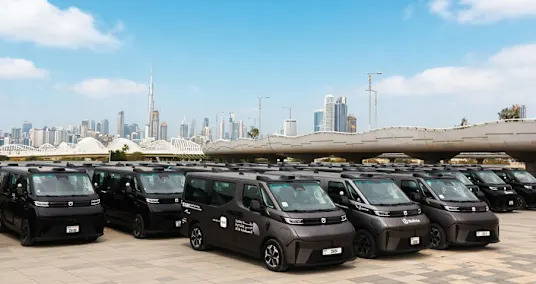
The dream of driverless taxis continues in the Gulf, where the conflict with Iran has slowed but not stopped progress on autonomous transport in Abu Dhabi, Dubai, and Riyadh.
Uber and WeRide added another driverless route in Saudi’s capital this week, linking shopping centers Hayat Mall and Riyadh Gallery. The expanded service comes after the vehicles completed more than 1,700 trips in a trial phase, according to the regulator.
Uber and WeRide have also launched fully driverless services in Dubai, beginning in popular residential and commercial areas Jumeirah and Umm Suqeim, with no safety monitor on board. Separately, Dubai Taxi Company plans to deploy more than 1,000 driverless cars in the city with Baidu’s Apollo Go, starting with a fleet of 50 this year. Earlier this month, Autogo, part of Abu Dhabi-backed technology company K2, began offering rides on Yas Island, and it plans to expand to Saadiyat and Al Maryah islands.
All this is bad news for the region’s taxi drivers, a largely South Asian group whose business is already down due to the conflict with Iran.
latest_posts
- 1
 From Overpowered to Coordinated: Individual Accounts of Cleaning up
 - 2FDA adds strongest warning to Sarepta gene therapy linked to 2 patient deaths
- 3Ukraine confirms defence and energy ministers at second attempt
- 4Far-right leader Le Pen to attend Brigitte Bardot's funeral
- 5Europe pledges over €15bn for clean energy for Africa


- Stolen Renoir, Cézanne and Matisse were probably uninsured, market sources say
- Trump administration launches new immigration crackdowns in New Orleans and Minneapolis. Here are all the cities it has targeted so far.
- Well informed: How to Take full advantage of Your Gadgets
- 7 Peculiar Ways Of starting Your Imagination: Motivation Has Never Been This Good times
- How did Ariana Grande get her Glinda voice? I’m the man behind the magic.
- Sunken warship found off Danish coast after 225 years in ‘remarkable’ discovery
- Nutrient Rich Natural products: Lift Your Wellbeing
- Minute Maid’s frozen juice concentrate is ending after 80 years — and so is a certain kind of kitchen ritual
- SpaceX rocket launches 140 satellites into orbit on Transporter-15, aces landing at sea (video)