A massive dust storm, or haboob, swept across the Sahara Desert from western Algeria into Mauritania, Morocco, Western Sahara and the Canary Islands on March 30. The dust stretched for more than 1,000 miles.
As meteorologists observed the dust storm from space via weather satellites, social media users captured the incoming dust storm on camera. One video shows a thick wall of dust and sand moving toward a resident of the town of Tindouf, near the Mauritanian, Western Saharan and Moroccan borders.
How does the dust affect tropical storms in the Atlantic?
While this storm didn't make it too far off the coast, significant amounts of dust can drift westward from Africa across the Atlantic beginning in May. This can inhibit tropical storm formation, or the strengthening of an existing system, because the dusty air has about 50% less moisture than the typical tropical atmosphere.
Strong winds in the dust layer can also substantially increase the vertical wind shear in and around the storm environment, potentially disrupting any storm that forms.
latest_posts
- 1
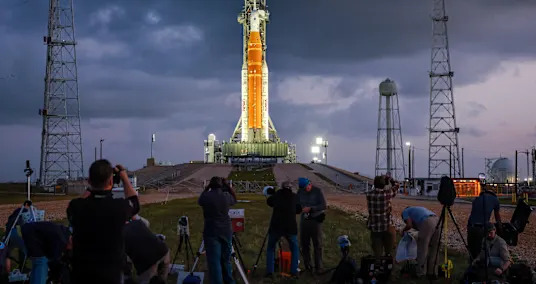
 The Artemis II launch is tonight. Here's how to watch it live.
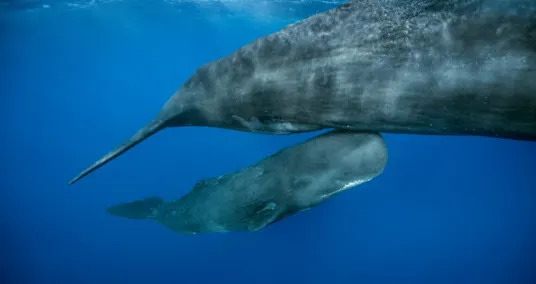
- 2‘And then we saw the little head.’ Scientists witness rare sperm whale birth
- 32024 Watch Gathering: The Best Watches of the Year
- 4The Most Compelling Books of the 10 years
- 5Thermo Fisher wins contracts as pharma shifts production to US, CEO says



- The most effective method to Pick the Right Volvo XC40 Trim for Your Way of life
- Inn The executives: A Remunerating Profession Decision for Energetic People
- Dave Coulier shares new cancer diagnosis 1 year after revealing previous diagnosis
- Dental, Vision, and Hearing Inclusion in Senior Protection.
- Birds at a college changed beak shapes during the pandemic. It might be a case of rapid evolution
- More charges filed against ex-left-wing RAF member Daniela Klette
- Vote In favor of Your Favored Kind Of Cheddar
- The Force of Care: Living with Goal
- JFK's granddaughter reveals terminal cancer diagnosis, criticizes cousin RFK Jr.