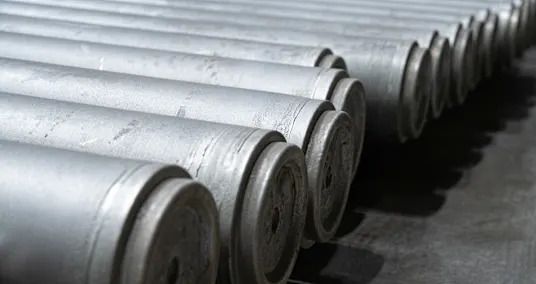
Fears of global aluminium shortages that could affect the production of clean energy technologies intensified after Iran struck two major Gulf aluminium producers, sending prices to a four-year high. The Middle East accounts for 9% of the world’s production of aluminum, which is essential to a wide range of industries from transportation, construction, and packaging, as well as the manufacture of solar panels, electrical transmission systems, wind turbines, and EVs.
Export shipments to the US and Europe had already come to a halt because of the effective closure of the Strait of Hormuz, and Morgan Stanley economists singled out aluminium as carrying a high level of risk across the value chain. Andy Farida, an aluminium analyst at Fastmarkets, told Semafor that high prices would be passed on to end-users, ultimately causing demand destruction. “A prolonged shutdown (with little to no alternative supplies other than Russia and China) could cripple the supply of aluminium to support the production of clean and green technology,” he said, adding that relief could come “if governments allow some sanctioned Russian and Chinese aluminium to be imported.”

latest_posts
- 1
 6 Asian Urban areas to Visit
 - 2South Korea launches Earth-observation satellite on homegrown Nuri rocket
- 3Big majority in Germany call Berlin's efforts on gas prices too weak
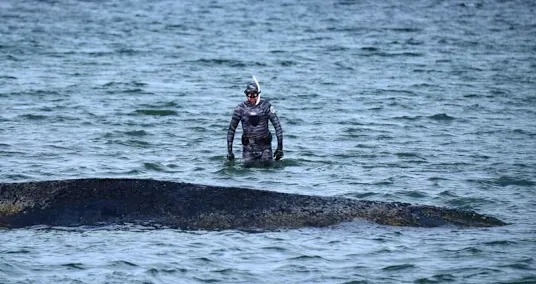
- 4Rescuers again fail to free whale stranded on Germany's Baltic coast
- 5Iranian-backed militias escalate in Iraq, targeting Kurdistan Region president Nechirvan Barzani



- Germany paves the way for tighter EU asylum rules
- Language Learning Applications for Voyagers
- Is 'Veronica Mars' about to be your new binge-watch? It's now streaming on Netflix.
- Which game do you cherish observing live? Vote!
- Deadly attack on kindergarten reported in Sudan
- Vote In favor of Your Number one Kind Of Food Conveyance Administration
- The Best 15 Applications for Efficiency and Association
- More parents refusing this shot that prevents serious bleeding at birth
- This widow influencer is using jokes to cope after her husband's death. It's OK if people don't get it.