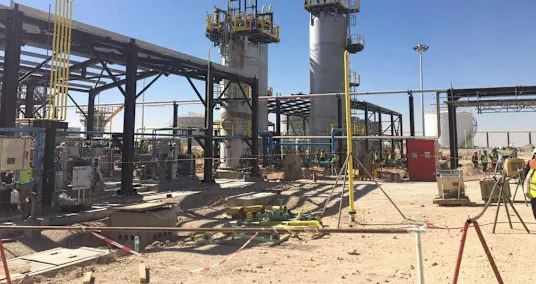
Africa’s energy producers are emerging as unexpected long-term beneficiaries of the Middle East conflict, according to oil analysts.
Angola, Mozambique, and Nigeria are among nations increasingly viewed by European and Asian buyers as lower-risk alternatives to disrupted supplies: With the Strait of Hormuz and Red Sea now high-risk routes, African volumes carry lower insurance premiums and more predictable delivery times — structural advantages that could reshape long-term supply contracts.
Africa’s liquefied natural gas sector stands to gain most; export capacity is projected to more than double by 2040, according to the African Energy Chamber. The crisis could also accelerate long-delayed projects, including the Trans-Saharan pipeline designed to carry Nigerian gas through Niger and Algeria to Europe, which has been beset by safety and security concerns in the Sahel region.
Horizon Engage risk analyst Clementine Wallop warned, however, that while Africa was a “logical place to look,” the risks some of these projects have faced — security, political, or logistical in nature — “show that this is not a quick fix.”
Potential gains for producer nations are nevertheless cold comfort for millions of ordinary Africans: The conflict has sent Brent crude surging more than 50% to around $110 a barrel, and since most African countries are net importers of refined oil products, the price shock has been swift and severe.

latest_posts
- 1
 5 Pizza Fixings That Characterize Your Character
 - 2Why is Jerome Powell being investigated? Making sense of the DOJ's probe into the Federal Reserve chair.
- 3Daily Briefing: A bad flu season gets worse
- 4Step by step instructions to Pick the Right Dental specialist for Your Dental Inserts Technique
- 5EPA watchdog finds nation’s most contaminated sites are vulnerable to flooding, wildfires


- Jillian Michaels put me at the center of a body positivity debate. She's not entirely wrong about obesity.
- Unsold Rams May Be Less expensive Than You Suspect
- How a niche Catholic approach to infertility treatment became a new talking point for MAHA conservatives
- Flat Earth, spirits and conspiracy theories – experience can shape even extraordinary beliefs
- Looking for a great Thanksgiving side dish recipe? These are the crowd-pleasers the Yahoo team swears by.
- 'No Kings' protests live updates: More than 8 million turned out across all 50 states, organizers say
- Smooth countdown continues for Artemis II moon mission
- Netanyahu on Gush Etzion terror attack: 'We will complete war on all fronts'
- The most effective method to Settle on Informed Conclusions about Senior Insuranc.